June 2026
“As an Indigenous nurse, I want to participate fully as a global citizen and build relationships with other Indigenous nurses to strengthen our collective practice.”
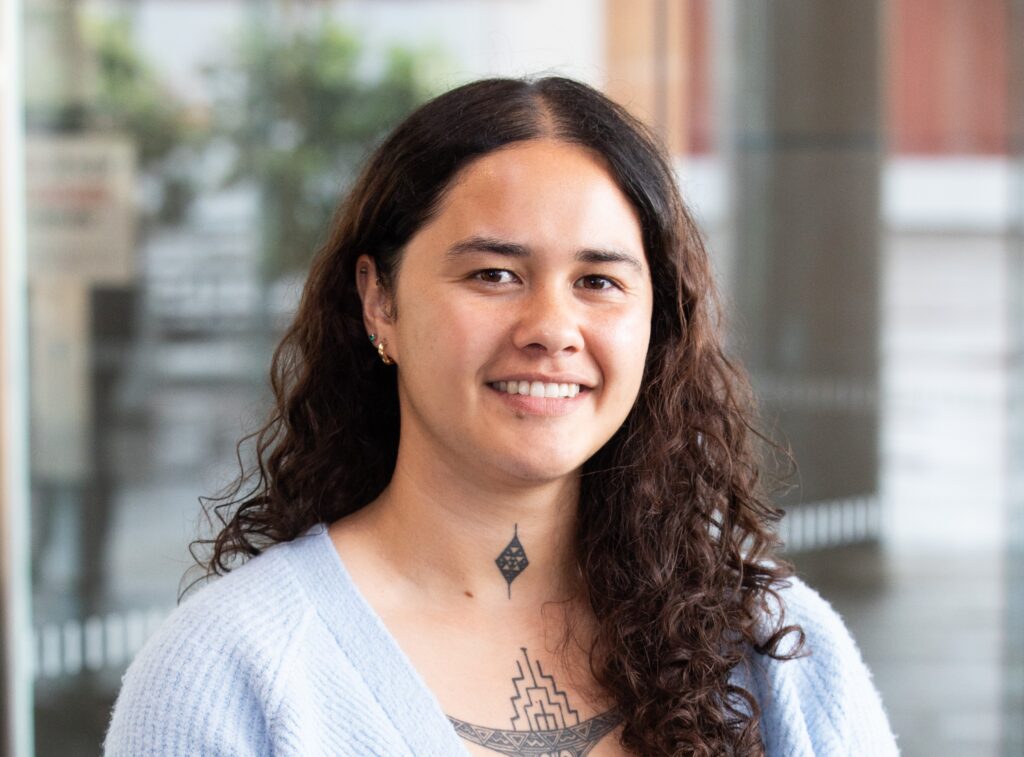
University of Auckland – Waipapa Taumata Rau PhD student Ebony Komene (Ngāpuhi, Te Arawa, Tainui) is the recipient of the 2026 Fulbright-Ngā Pae o te Māramatanga Graduate Award.
From Tauranga and now living in Tāmaki Makaurau Auckland, Ebony will undertake research in the United States as a visiting student researcher, exploring Indigenous nursing at Washington State University in Seattle and Indigenous Nurse Practitioner models of practice at the University of Hawaiʻi at Mānoa.
The award, presented by Fulbright New Zealand and Ngā Pae o te Māramatanga, is granted to support a promising Aotearoa New Zealand graduate student to undertake postgraduate study or research in the United States in the field of Indigenous development.
“Ebony’s project focuses on a research area that hasn’t had enough attention,” says Professor Melinda Webber, co-director Ngā Pae o te Māramatanga. “Her research is well placed to highlight the real, lived nature of Indigenous nursing practice, deepening our collective understanding of the value they bring to health care and communities. Kia haere haumaru, hoki pai mai ai Ebony.”
During her time in the United States, Ebony aims to build meaningful relationships with Indigenous nursing communities and contribute collaboratively with her host institutions.
“Because I value manaakitanga, reciprocity is ever-present in my relationships,” says Ebony. “I want to give back by writing alongside my hosts, sharing what we learn together. I want to show my whānau what is possible and honour the hopes of my ancestors. This experience helps fulfil their wishes and create pathways for those after me.”
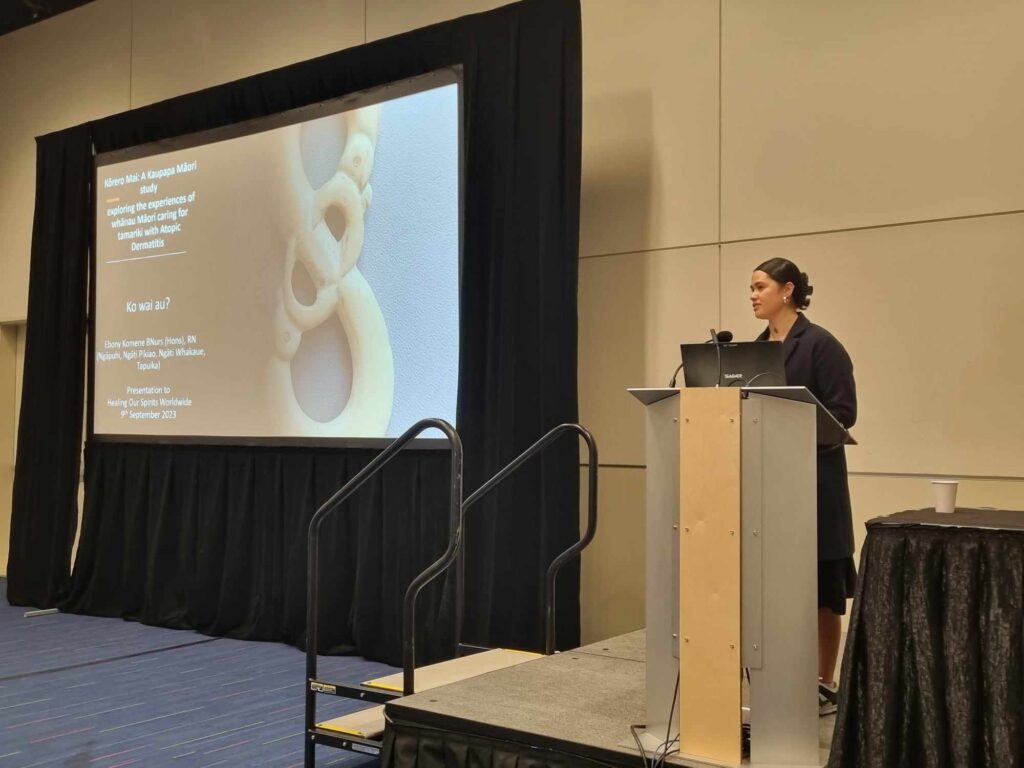
Ebony’s research focuses on the under-researched role of Indigenous Nurse Practitioners, using Kaupapa Māori methodology to centre strengths-based approaches. Her work blends ethnography and qualitative inquiry to better reflect the hybrid nature of Indigenous nursing practice.
Looking ahead, Ebony hopes to continue strengthening global Indigenous nursing connections.
“The Indigenous nursing research community is small, and opportunities for connection are rare. I am interested in future research that centres global partnerships and explores Indigenous nursing workforce development and innovative models of care.”
Click here for more information on Ngā Pae o te Māramatanga Graduate Award.